Tetra Tech Wins Port of LA and Military Contracts
Pasadena-based Tetra Tech secured two new contracts in March, including a three-year environmental services deal with the Port of Los Angeles.
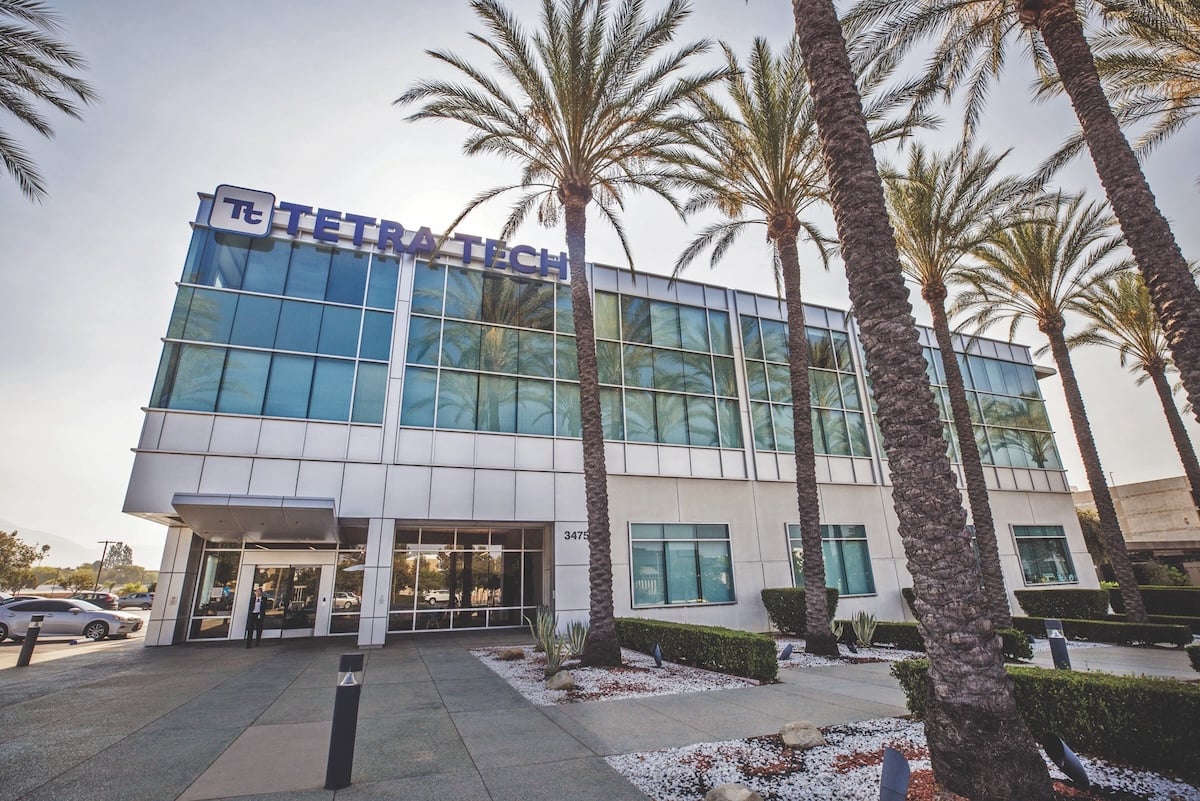
Pasadena-based Tetra Tech Inc. landed two contracts in March, one from a port authority, the other from a federal defense agency, adding to a workload that already spans environmental remediation, infrastructure services, and military logistics.
The Los Angeles Harbor Department announced the first deal on March 24. It’s a three-year agreement covering environmental and technical services across the Port of Los Angeles, which is currently running through a $2.6 billion infrastructure investment program. The port’s scope is enormous. Tetra Tech’s engineers and scientists will work across 7,500 acres of land and 43 miles of waterfront, handling stormwater and groundwater monitoring, environmental site assessments, compliance reviews, remedial investigations, and restoration design for properties that have been impacted over decades of industrial use.
For a company headquartered in the San Gabriel Valley, the port isn’t exactly foreign territory. Tetra Tech has been doing environmental science and engineering work there for over 30 years, which makes this contract more of a renewal than a debut.
Roger Argus, who took over as the company’s chief executive in February, addressed the deal directly in comments reported by the LA Business Journal. “We look forward to continuing to use our industry-leading IT, operations technology, and cybersecurity expertise to secure the supply chain infrastructure that supports defense readiness worldwide,” Argus told the publication. He’s the company’s new face at the top, though the transition itself was years in the making. Former chief executive Dan Batrack held the position for 20 years before moving to the executive chairman role, and Argus stepped in as part of a planned handoff that the board had been building toward. That kind of long-runway leadership change isn’t common in the consulting industry. It’s a signal the board wanted continuity, not disruption.
The port contract reflects that same steady-state logic. Environmental remediation at large industrial port facilities is slow, methodical, compliance-driven work. It doesn’t generate the attention that a high-profile tech contract might. But that’s not the point. Work like this runs on multi-year timelines, generates recurring engagements, and keeps an engineering firm’s utilization rates predictable. The $2.6 billion infrastructure investment program at the port means there’s no shortage of assessment and restoration work ahead.
The second contract is a different kind of job entirely.
On March 17, the Defense Logistics Agency awarded Tetra Tech a $14 million task order under an existing enterprise technology services contract. The agency handles procurement and distribution of supplies for U.S. combat forces worldwide, including spare parts, fuel, food, clothing, and other materials that keep military operations running. It manages an estimated $300 billion in supplies annually, making it one of the largest logistics operations on the planet. The agency’s workforce includes roughly 28,000 employees spread across 17 major distribution centers, and the infrastructure supporting all of it is constantly being upgraded and integrated.
What Tetra Tech is doing under this task order is technical and narrow. The work covers sustaining, modernizing, and transitioning automated material handling equipment systems. It also includes integrating augmented reality and voice technology systems and supporting upgrades to warehouse management infrastructure. None of that sounds glamorous, but for a defense supply chain operating at the scale the Defense Logistics Agency does, the ability to modernize warehouse automation while keeping operations running is genuinely complex engineering.
The two contracts don’t have much in common on the surface. One involves groundwater monitoring at a major Southern California port. The other involves warehouse automation for a federal agency that supplies combat troops. But they both fit the same basic pattern that’s defined Tetra Tech’s business model for decades: technical services work that’s tied to long-term infrastructure, regulatory requirements, or national security obligations, the kind that doesn’t go away when budgets tighten.
Argus stepped into the top job in February with these kinds of contracts already in the pipeline. He’ll be adding to them, and that’s probably by design.