Rancho's Bungalow Battle: Historic Preservation Meets Development Pressure
A proposed luxury townhome project on Screenland Drive has ignited debate over protecting Burbank's 1920s architectural heritage versus meeting housing demands.
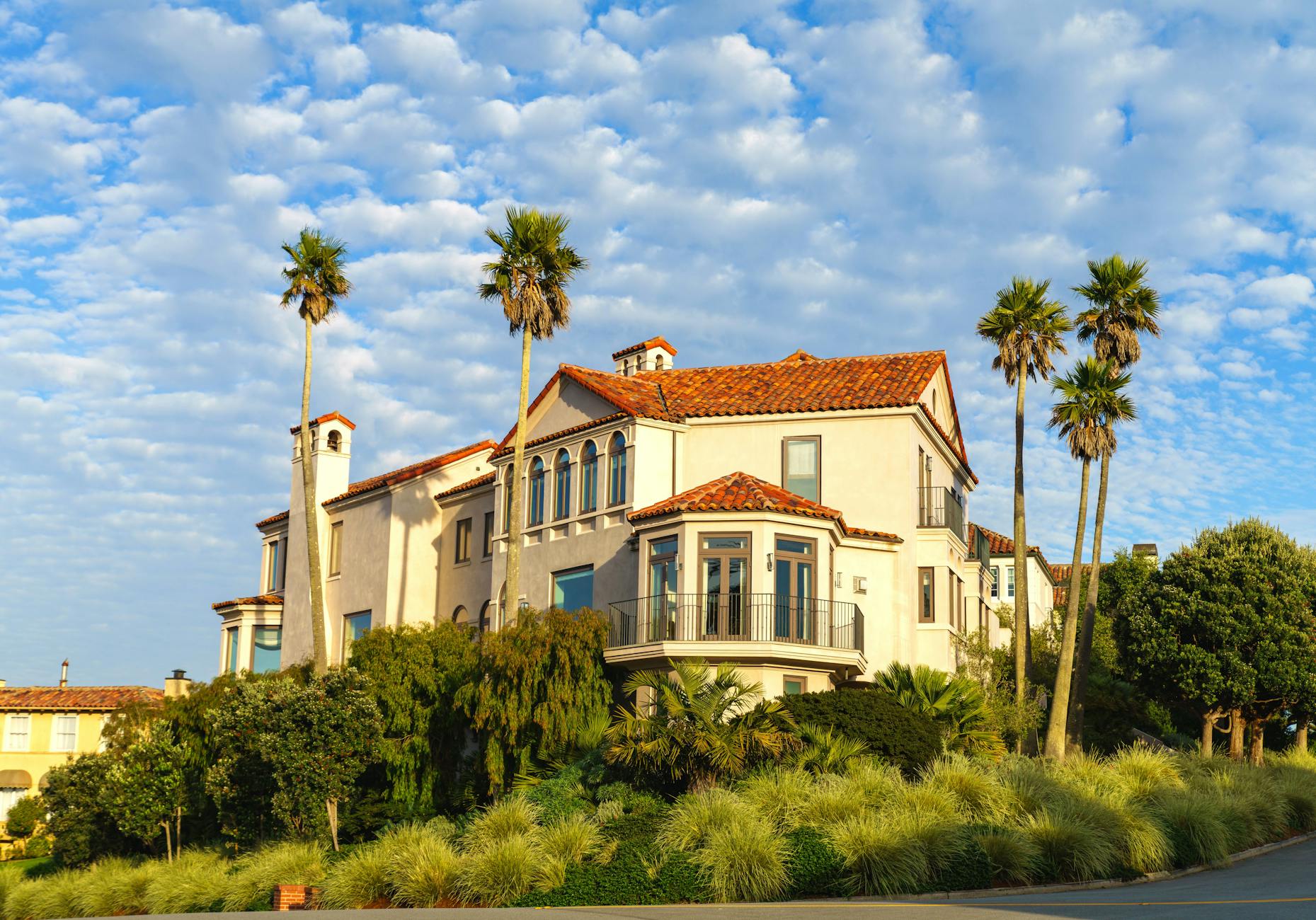
Rancho’s Bungalow Battle: Historic Preservation Meets Development Pressure
A quiet stretch of Screenland Drive has become ground zero for a heated debate that’s pitting Burbank’s past against its future. The proposed demolition of four 1920s Craftsman bungalows to make way for a 16-unit luxury townhome complex has residents, preservationists, and city officials wrestling with a familiar question: How do we balance growth with history?
The controversy centers on 1847-1853 Screenland Drive, where developer Meridian Properties wants to replace the century-old homes with modern three-story townhomes priced between $850,000 and $1.2 million. The project, which goes before the Planning Board next month, has already drawn more than 200 public comments and sparked the formation of a new advocacy group.
The Stakes Are High
“These aren’t just old houses,” says Marina Chen, a Rancho resident who launched the Save Our Bungalows coalition last month. “They represent the DNA of our neighborhood. Once they’re gone, they’re gone forever.”
Chen, who works as a production designer at Warner Bros., moved to her own 1924 bungalow on Buena Vista Street five years ago specifically for its character and charm. She’s not alone in her concerns.
The four homes in question were built between 1923 and 1926, part of the post-World War I building boom that gave Rancho much of its distinctive residential character. They feature the hallmarks of California Craftsman architecture: low-pitched roofs, exposed rafters, natural materials, and the broad front porches that once fostered neighborhood connections.
“Every time I walk past these houses, I can picture families from the 1920s sitting on those porches, watching the world go by,” says longtime resident Dorothy Castellanos, whose family has lived on nearby Fairview Street for three generations. “It’s like living in a history book.”
Developer’s Perspective
Meridian Properties president Jake Morrison sees things differently. His company specializes in infill development throughout the San Fernando Valley, and he argues the Screenland project addresses Burbank’s acute housing shortage while providing much-needed density near transit corridors.
“We’re not the bad guys here,” Morrison told me during a site visit last week. “These houses have been poorly maintained for years. Two are completely uninhabitable, and the other two need major structural work that would cost more than they’re worth.”
Morrison points out that his townhomes would house 16 families compared to the current four units, and each would include electric vehicle charging and solar panels. The project also includes 32 parking spaces and a small community garden.
“We’re creating housing that working families can actually afford in this market,” he says. “You can’t preserve your way out of a housing crisis.”
The Numbers Game
Burbank’s housing crunch is real. The city’s 2021 Housing Element identifies a need for 8,772 new housing units by 2029 to meet state mandates. With limited vacant land and strict height restrictions in most areas, infill development like Morrison’s project represents one of the few paths to meeting those goals.
City Councilwoman Sharon Springer, whose district includes Rancho, acknowledges the difficult balance. “Every week, I hear from families who can’t find housing they can afford in Burbank,” she says. “But I also hear from residents who moved here specifically for the neighborhood character. Both concerns are valid.”
Springer has called for a study of potential historic district designation for parts of Rancho, which could provide stronger protections for architecturally significant homes while still allowing appropriate development.
The Historic Context
Rancho’s bungalow stock is already under pressure. A recent survey by local historian Dr. Margaret Kim found that the neighborhood has lost 23% of its pre-1930 homes over the past two decades, mostly to teardowns and rebuilds.
“We’re experiencing death by a thousand cuts,” says Kim, who teaches architectural history at Woodbury University and has written extensively about Burbank’s built environment. “Each individual project might seem reasonable, but collectively, we’re erasing the neighborhood’s identity.”
Kim points to nearby Pasadena and Santa Monica as examples of cities that have successfully balanced preservation with growth through targeted historic districts and design guidelines that encourage compatible new construction.
Community Response
The Save Our Bungalows group has gained momentum quickly, attracting support from across Burbank’s creative community. Production designer Sarah Lopez, who lives in the Media District but frequently scouts Rancho locations, worries about the impact on the city’s film industry appeal.
“Directors choose Burbank because it looks like authentic America,” Lopez says. “If we turn every neighborhood into generic townhomes, we lose that competitive advantage.”
The group has proposed several alternatives, including landmark designation for the most architecturally significant homes and incentives for developers who incorporate historic elements into new projects.
Not all neighbors oppose the development. David Park, who lives across the street from the proposed project, supports Morrison’s plan. “Those houses are eyesores,” he says. “The property management company has let them deteriorate for years. New construction will improve our property values and bring in families who actually want to be here.”
Looking Ahead
The Screenland Drive project represents a test case that could influence how Burbank approaches similar developments citywide. Planning Director Lisa Rodriguez says staff is working on new guidelines that would better protect historically significant structures while still encouraging appropriate density.
“This isn’t just about four houses on Screenland Drive,” Rodriguez explains. “It’s about defining what kind of city Burbank becomes over the next 20 years.”
Meanwhile, Morrison’s project faces an uncertain path. Even if approved by the Planning Board, it could face appeals and potential legal challenges from preservation advocates.
For residents like Marina Chen, the stakes extend beyond architecture to community identity itself. “Yes, we need more housing,” she says. “But we also need to preserve what makes Burbank special. There has to be a way to do both.”
The Planning Board hearing is scheduled for March 15 at 7 PM in the Council Chambers. Given the level of community interest, city staff expects overflow crowds and extended public comment.
Tony Martinez covers real estate and development for Burbank Digest. He can be reached at tony@burbankdigest.com.
