Best Steaks in LA Are Found Outside Steakhouses
LA's best steaks aren't at traditional steakhouses. From Yang's Kitchen to beyond, discover where to find the city's most exciting beef dishes.
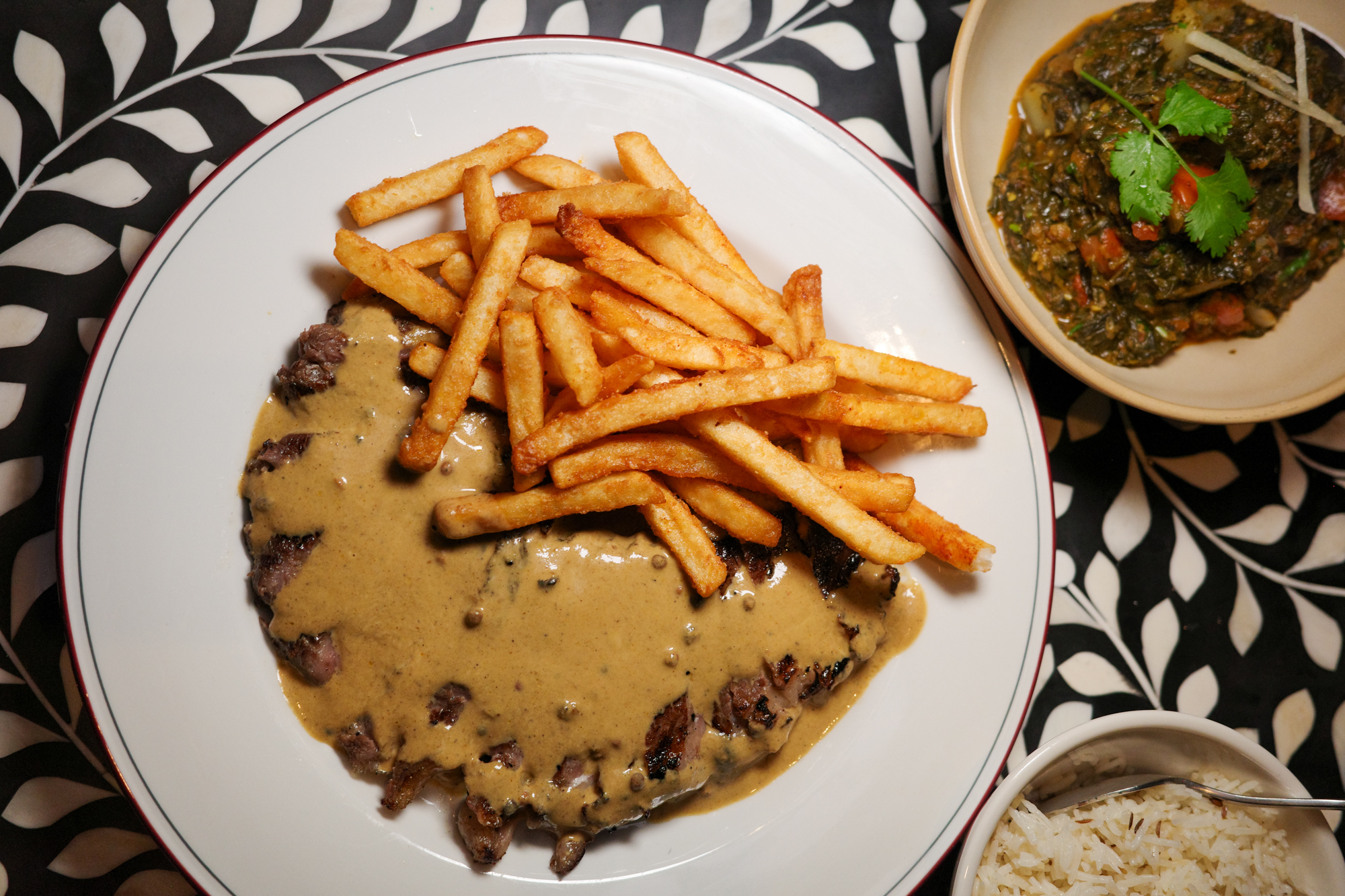
Steak is everywhere in Los Angeles right now, and most of the restaurants serving it well aren’t steakhouses.
That’s worth pausing on. The American steakhouse has a long paper trail. Delmonico’s launched in New York in 1837. The Old Homestead Steakhouse opened its doors in 1868, both concepts born partly as an American response to British chophouses and the beefsteak buffet tradition that crossed the Atlantic before them. Los Angeles came into its own steakhouse identity not long after: Musso and Frank Grill started seating Hollywood diners in 1919, Pacific Dining Car followed in 1921, and Taylor’s Steak House added its name to the list in 1953. Those rooms aren’t going anywhere. But a different kind of cook is now doing something more interesting with the format.
At Yang’s Kitchen in Alhambra, the dinner menu runs a 20-ounce Wanderer rib-eye alongside mapo tofu, dan dan campanelle with Bih Shan mushrooms and chile crisp, and Hainan fish rice built around dry-aged sea bass. It’s not a steakhouse menu. It doesn’t fit any clean category, which is exactly the point. Chef and co-owner Chris Yang didn’t originally plan to anchor the menu with a big-format steak. Diners pushed back, and he listened.
“I guess it’s a source of comfort for diners in Los Angeles to always have a steak on the menu,” Yang told Eater LA. “I think that’s why you see it across so many menus in Los Angeles, even though the restaurants might not be steakhouses.”
The rib-eye Yang landed on draws directly from his own biography. He grew up in Alhambra, spent time in the broader San Gabriel Valley, and Lawry’s the Prime Rib left a lasting impression on him. The cooking process for the steak runs four stages: a slow cook in beef tallow first, then a quick flash on the grill to dry the surface, then a rest, then a hard sear to develop the crust. It hits the plate basted with butter and aromatics, finished with demi-glace and mushrooms. That sauce is a direct reference to the red wine mushroom sizzling steak sauce common at Hong Kong cafes and Taiwanese spots throughout the San Gabriel Valley. The California restaurant industry has watched cross-cultural cooking accelerate for years, but what Yang’s doing isn’t trend-chasing. It’s personal.
“That’s our nod to the restaurants around us,” Yang said. “Choosing a more luxurious steak and kind of elevating the sauce a little bit. Giving the diners something that feels comfortable but elevated at the same time.”
That framing, comfortable but elevated, describes something broader happening across Los Angeles dining. These aren’t chefs tearing down a tradition they resented. They grew up eating steak at Lawry’s, at family celebrations, at the sizzling plate spots their parents loved. They’re not rejecting any of that. They’re pulling it into kitchens that reflect where they actually came from, what their neighborhoods actually looked like.
Where you grow up shapes what you cook. It’s not a complicated argument. Alhambra’s culinary landscape, built over decades by Chinese, Taiwanese, and Hong Kong immigrant communities, isn’t background detail on Yang’s menu. It’s a primary ingredient. The Bih Shan mushrooms, the chile crisp, the San Gabriel Valley cafe sauces baked into the rib-eye’s finishing step, they’re not garnish. They’re the whole point.
The old steakhouse institutions, the 1919 booth at Musso and Frank, the Pacific Dining Car counter open since 1921, they built their identities around a specific idea of what American dining meant. That idea was narrower than Los Angeles ever actually was. What’s happening now, at tables in Alhambra and across the city, is a correction that doesn’t announce itself as one.
Yang’s 20-ounce Wanderer rib-eye sits on a menu next to mapo tofu and doesn’t explain itself. It doesn’t need to.