AMC CEO Adam Aron Backs Paramount-Warner Bros. Merger
AMC Theatres CEO Adam Aron breaks with fellow exhibitors to support the Paramount-Warner Bros. merger, arguing scale could boost theatrical releases.
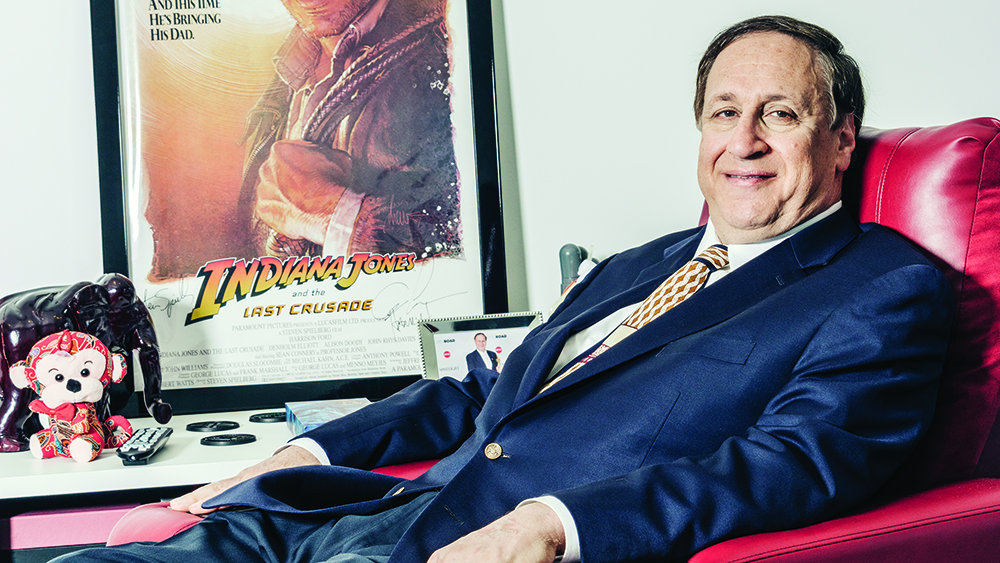
AMC Theatres CEO Adam Aron publicly backed the proposed Paramount-Warner Bros. merger this week, breaking from the broader exhibition industry at a moment when opposition to the deal is loud, organized, and growing.
The split isn’t trivial. Most major theater chains spent CinemaCon making the case that combining Paramount and Warner Bros. would collapse the theatrical film slate, eliminate jobs, and concentrate too much production power under one roof. Their concerns are grounded in simple math: fewer studio releases means fewer showtimes, fewer tickets sold, and thinner margins at multiplexes that already run on concession revenue to survive. But Aron, who runs a circuit of more than 900 locations across the United States, doesn’t share that read.
Talent-side pressure added a different layer to the week. Ben Stiller, Javier Bardem, and Kristen Stewart were among the performers who signed a petition opposing the Paramount-Warner Bros. sale, arguing it would shrink creative opportunities and cut industry jobs. That’s not a routine move. Studios and exhibitors bicker constantly over windows and terms, but when working actors circulate a formal petition at CinemaCon, it’s a signal that the stakes feel bigger than a standard contract fight. “We believe this consolidation would reduce the number of films made and the number of people employed to make them,” the petition stated, according to reporting from Variety.
Aron went the opposite direction. His argument is that scale works in theaters’ favor, not against it. A larger combined studio, he contends, could produce more films and invest more heavily in theatrical releases than two separate companies managing separate debt loads. Whether the other big chains accept that logic is an open question. Several of them have made their skepticism visible and public throughout CinemaCon’s run.
For Burbank, the stakes aren’t abstract. Warner Bros. Discovery’s lot on West Olive Avenue is one of the city’s largest employers, with thousands of workers in production, post-production, marketing, and facilities. A Paramount acquisition would immediately trigger speculation about which operations survive, which get consolidated, and which get cut. This is the kind of deal that doesn’t stop at the lot gates. The Media District’s restaurants, small production vendors, and parking structures depend on daily studio activity, and a restructuring of this scale could reshape that entire economic geography. The Federal Trade Commission would almost certainly scrutinize any merger of this size, and labor groups including the Writers Guild of America have already positioned themselves to weigh in on workforce impacts.
Aron also spoke about AMC’s appetite for non-traditional content partnerships, pointing to the 2023 “Eras Tour” concert film as a model he’d like to repeat. That release, which AMC co-distributed, was significant for exhibition. It pulled real box office from a product that wasn’t a conventional studio film and showed that theaters can function as event venues beyond the standard Hollywood release calendar. Aron didn’t name a specific follow-up project, but his comments signal AMC’s actively looking for more deals structured along those lines.
He touched on the chain’s relationship with Netflix too, though that dynamic is complicated. The two companies don’t operate on straightforward terms, and Aron’s comments suggested the relationship is still evolving rather than settled.
The 16 largest theater chains in the United States collectively represent an enormous share of domestic box office, so when their CEOs diverge this publicly on a major structural question, it matters to studios, to regulators, and to the communities that host those studios. Burbank is one of those communities. Whatever the Federal Trade Commission ultimately decides about the Paramount-Warner Bros. deal, the local effects land here first, on the lot, in the surrounding blocks, and in the city’s tax base.
Aron’s position won’t settle the debate inside exhibition. But it does mean the industry can’t claim a unified front going into what looks like a long regulatory process. The number that sticks is 900-plus locations vouching for the other side of the argument.